
High-risk plant cannot be manufactured, supplied or used until its design is registered, and an application will not be processed without a design verification statement. Advitech provides independent plant design verification and compliance auditing for mining and industrial operators across NSW and Australia. Our chartered engineers verify designs produced by others, document the verification process, and audit plant in service.
Services
Engineering Compliance and Plant Design Verification
Registrable plant has to have its design verified, and its operation audited
Safety Audits
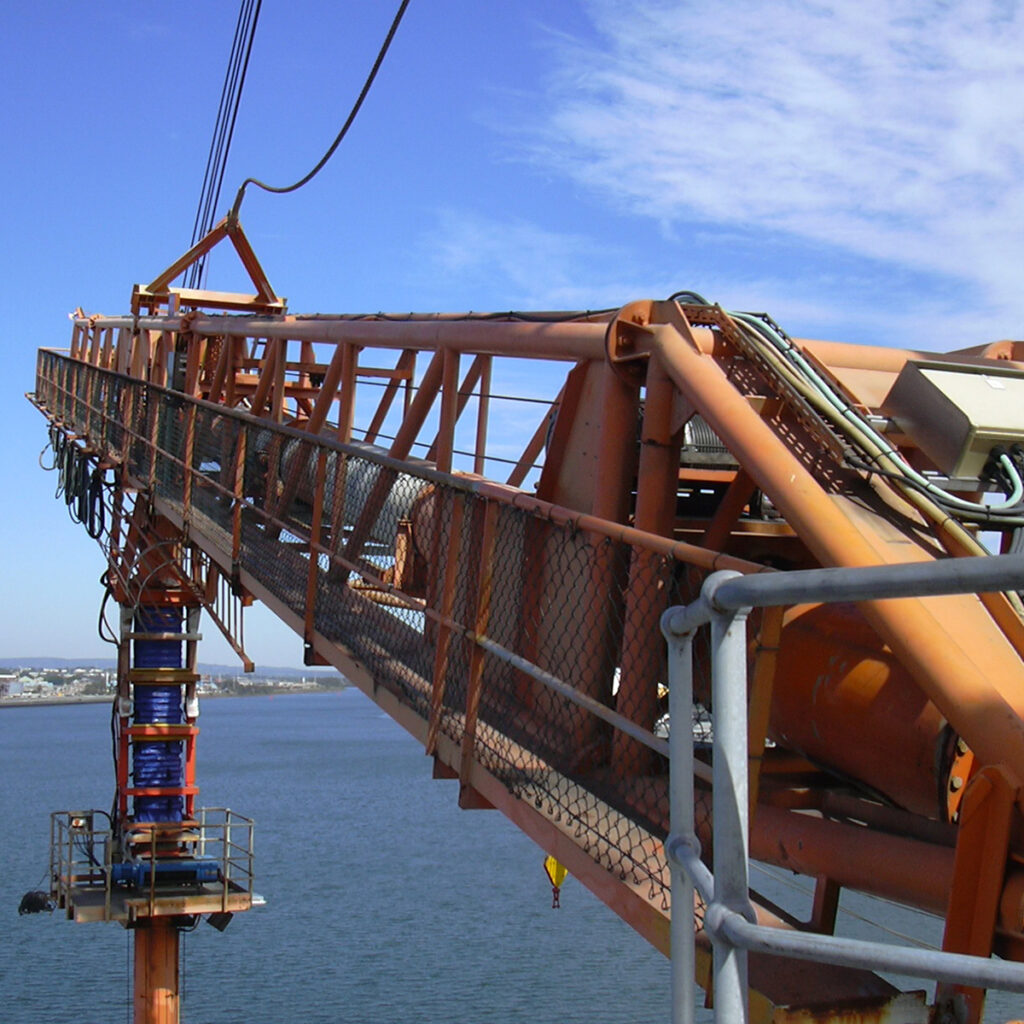
Advitech conducts onsite compliance audits of plant, equipment and procedures against relevant standards and legislation including Australian Standards, state-based requirements, international standards, Mine Design Guidelines (MDG), Technical Reference Guides (TRG), defence-related standards and more.
Experience:
- Mine winding system (powered winding system) audits
- Performance venue (theatre) structural audits
- Functional Safety Assessments on pressure vessels, tanks, pressure piping
- Ship loaders and unloaders
- Cranes and lifting devices
- Machinery safety and guarding audits (AS 4024)
- Access, walkway, and ladder audits (AS 4100, AS 1657)
Design Verification Services
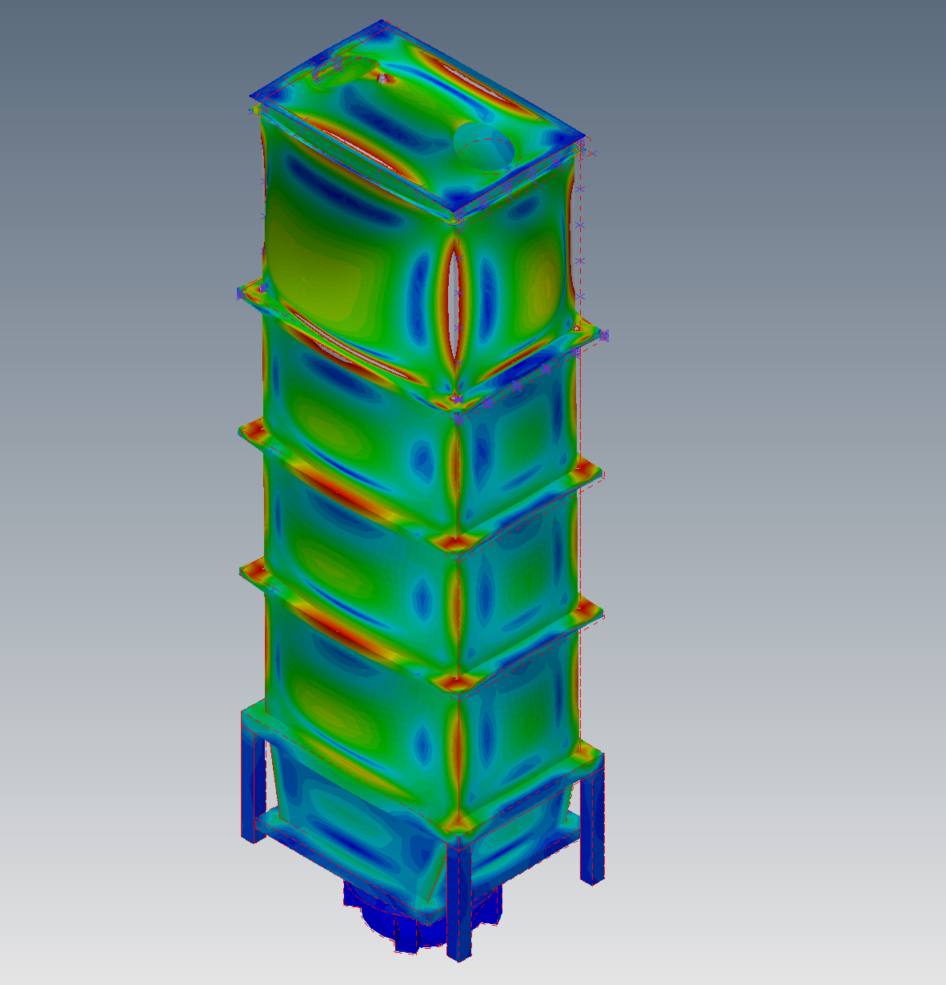
Advitech provides independent design verification of third-party designs and high-risk ‘registerable’ plant to enable design registration with applicable WHS and regulatory bodies. The verification process includes independent analytical reviews and the delivery of a peer-reviewed statement of compliance for the machinery, equipment or plant, signed off by our chartered engineers who are recognised ‘competent persons’.
Experience:
- Mine winding system and component design verification
- Ventilation fans (MDG3)
- Functional Safety Assessment (AS 61508, AS 62061, AS61511)
- Bespoke theatrical hoisting equipment (AS1418, BGVs)
- Personnel lifting equipment
- Cranes, lifting devices, elevated work platforms (AS 4991, AS 1418)
- Pressure vessels, tanks, pressure piping (AS 1210, API650, AS 4041)
- Industrial vehicles including forklifts (AS 2359)
- Drift conveyance braking systems (AS 3785)
- Hi-rail vehicles (RailCorp standards AS 7501, AS 7502, etc.)
Other plant we verify and audit
Verification and audit requirements differ by plant type. Most of these areas have their own page on this site.
Pressure equipment
Pressure vessels, tanks and pressure piping, with their own registration pathway and standards including AS 1210, AS 4041 and API 650.
Cranes and lifting devices
Cranes, below-the-hook equipment and elevated work platforms verified against AS 4991 and AS 1418, by proof load testing or third party engineering analysis.
Machinery safety and guarding
Guarding, safety functions and control systems assessed against AS 4024 across operating sites.
Ventilation fans and safety-related systems
Mine ventilation fans assessed against MDG 3, and safety-related control systems assessed against AS 61508, AS 62061 and AS 61511.
Access structures, walkways and ladders
Fixed platforms, walkways, stairways and ladders audited against AS 1657, with the supporting steelwork assessed to AS 4100.
Vehicles and mobile plant
Industrial vehicles including forklifts to AS 2359, hi-rail vehicles to AS 7501 and AS 7502, and drift conveyance braking systems to AS 3785.
Why design registration applications get refused
Design registration is rarely the part of a project anyone plans for. The equipment is specified, the order is placed, and then someone discovers the design has to be registered before it can be manufactured or used, and that registration needs a verification statement from an engineer with no involvement in the design. The same discovery happens without a purchase. Plant acquired with a site, imported to overseas codes, or modified since it was installed can all reach the same point, with the asset already standing.
The regulator can refuse an application where the verification statement is inadequate. The common failures are documented: non-compliances identified without showing how an equivalent level of safety was reached, and assumptions about maintenance or operation that sit outside the designer’s control and were never stated.
Imported designs raise the same problem in a different form. Plant built to overseas standards still needs verification against the technical standard specified in the application, by someone competent to design that type of plant.
How plant design verification works
Who is eligible to verify a plant design?
A design verifier must be a competent person, and must not have been involved in producing the design. Competent means holding the skills, qualifications, competence and experience to design the type of plant being verified. The NSW Resources Regulator names a chartered professional engineer, and an engineer experienced with the design of mining equipment, among the examples that satisfy this. Penalties apply where a statement is made by someone not eligible to make it.
What must a design verification statement include?
A design verification statement must be written and signed by an eligible verifier. It must state that the design was produced in accordance with the requirements of the design order, and it must describe the verification process carried out and the results of that process. The verifier’s name, business address and qualifications are part of the statement.
Applications are commonly refused where the statement identifies non-compliances without explaining how an equivalent level of safety has been achieved, or where controls outside the designer’s control have not been identified and considered. Advitech’s statements address both points directly, because a statement that gets returned costs more time than the verification itself.
Compliance auditing for plant already in service
Verification confirms the design. Auditing confirms the plant and the systems around it, as they operate. Verification is usually done before manufacture, but it applies whenever a design has to be proven, including for plant already in service that was never registered, imported to overseas codes, or since modified. For some assets the two are linked by the registration itself, because registration carries conditions that continue for the life of the equipment.
Advitech conducts onsite compliance audits of plant, equipment and procedures against Australian Standards, state requirements, Mine Design Guidelines, Technical Reference Guides and defence-related standards.
Mine Winder Audits and Compliance
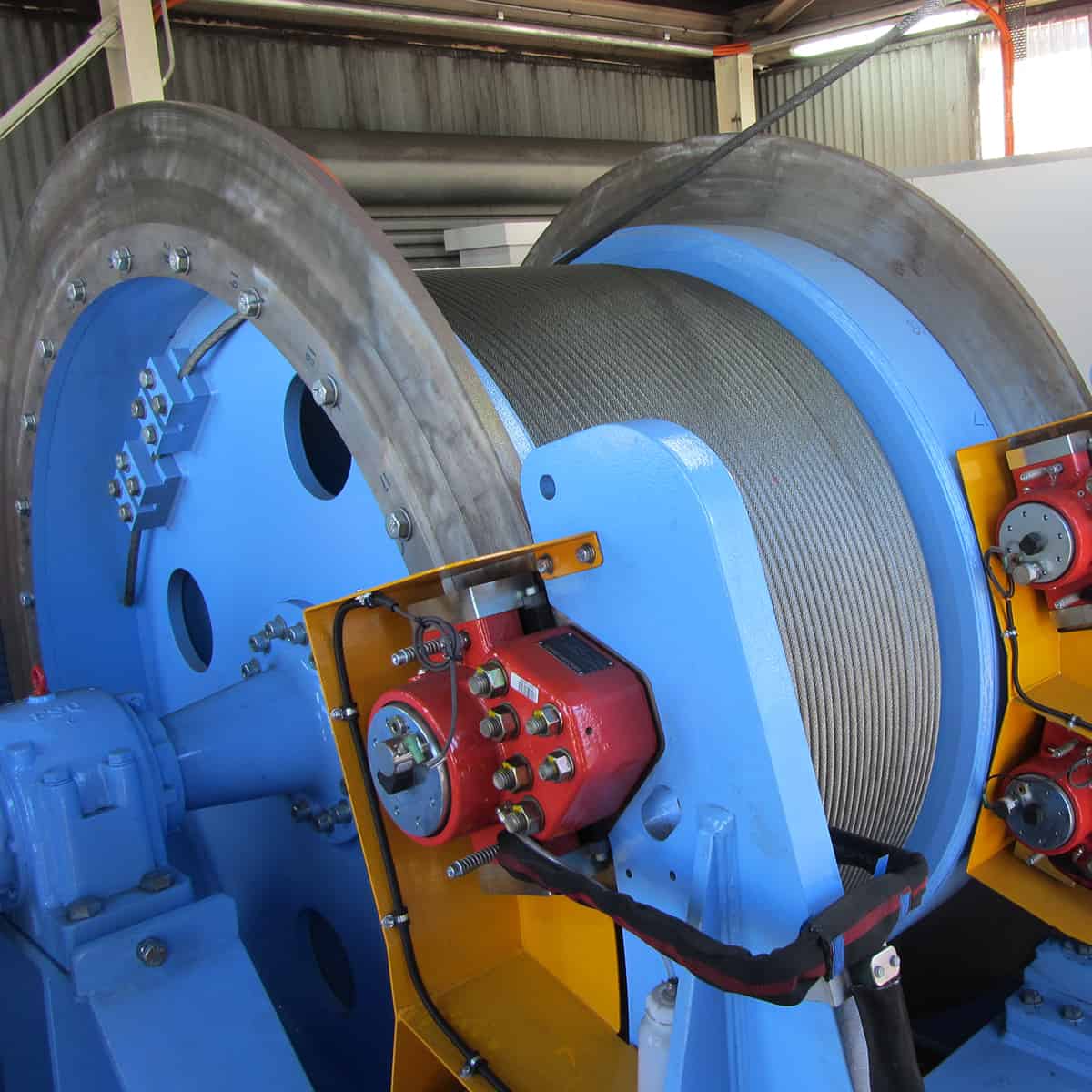
When a registered winding system is due for its five-yearly audit
Powered winding systems used at a mine require design registration in NSW, and registration carries a condition that a safety audit is conducted every five years by a competent person independent of winder design, operation and maintenance.
Theatre Service Audits
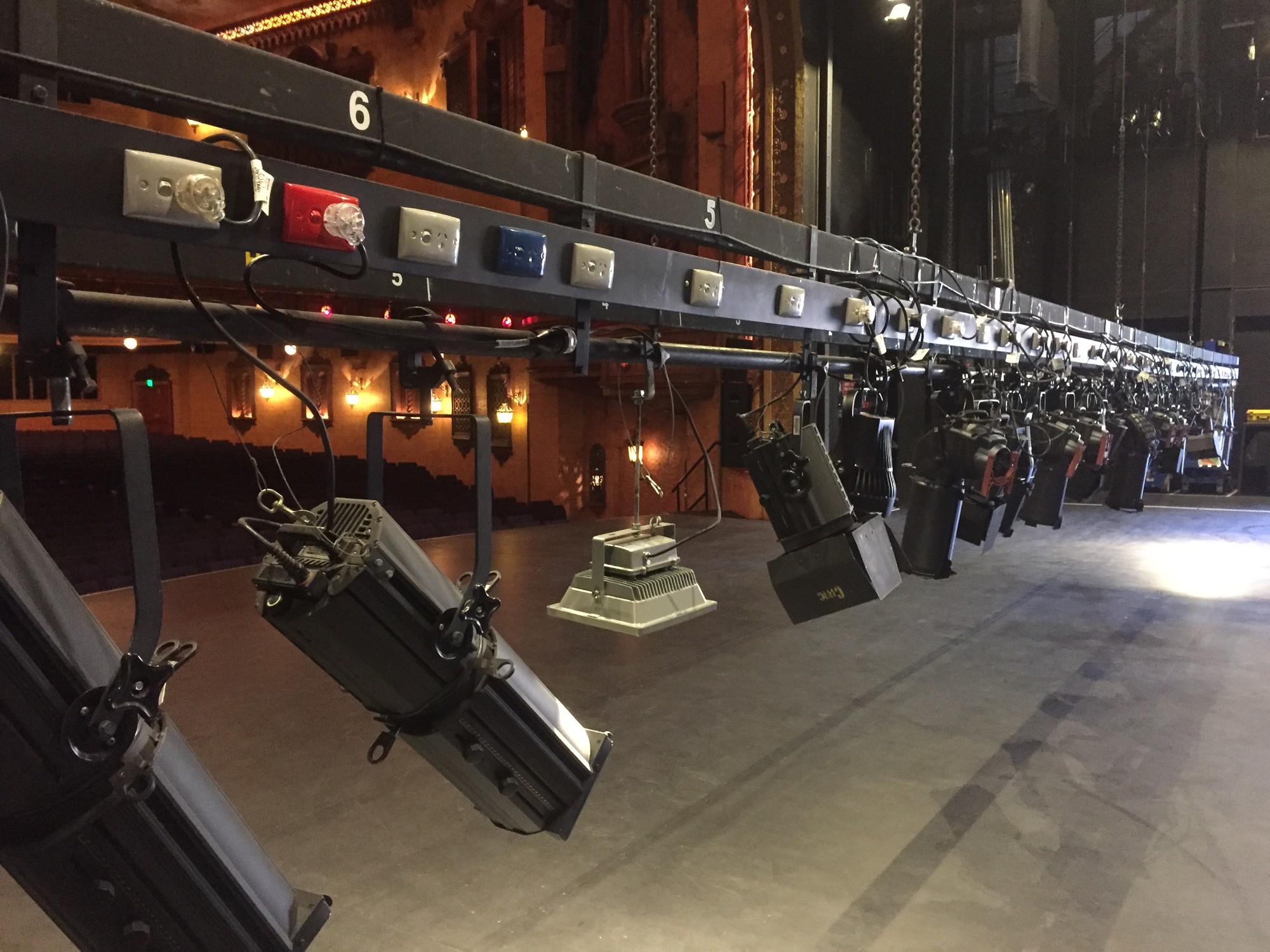
When hoisting and rigging operates above people
Performance venues operate hoisting and rigging systems above people, audited against AS 1418 and international staging standards.
Get in touch >
Independence in practice
One example from each half of the lifecycle. What independence means for an auditor, and what it looks like on a verification engagement where the design belonged to someone else.
Article
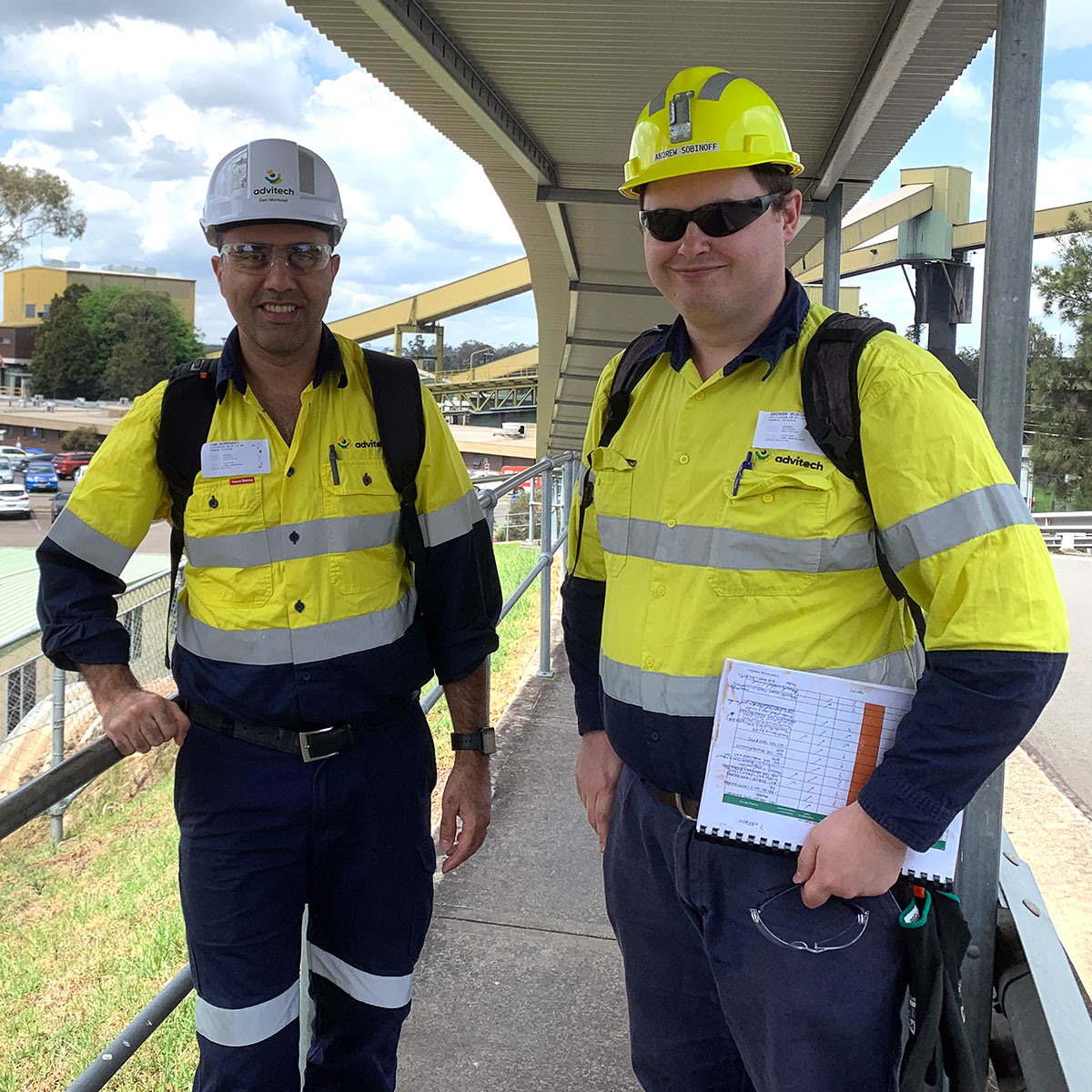
Five-yearly winder audits must be conducted by an independent auditor
Registration of a powered winding system in NSW carries a condition that a safety audit is conducted every five years by a competent person. Regulator guidance has tightened what independence means, and any organisation that has conducted or managed maintenance since the last audit may struggle to demonstrate it.
Case Study
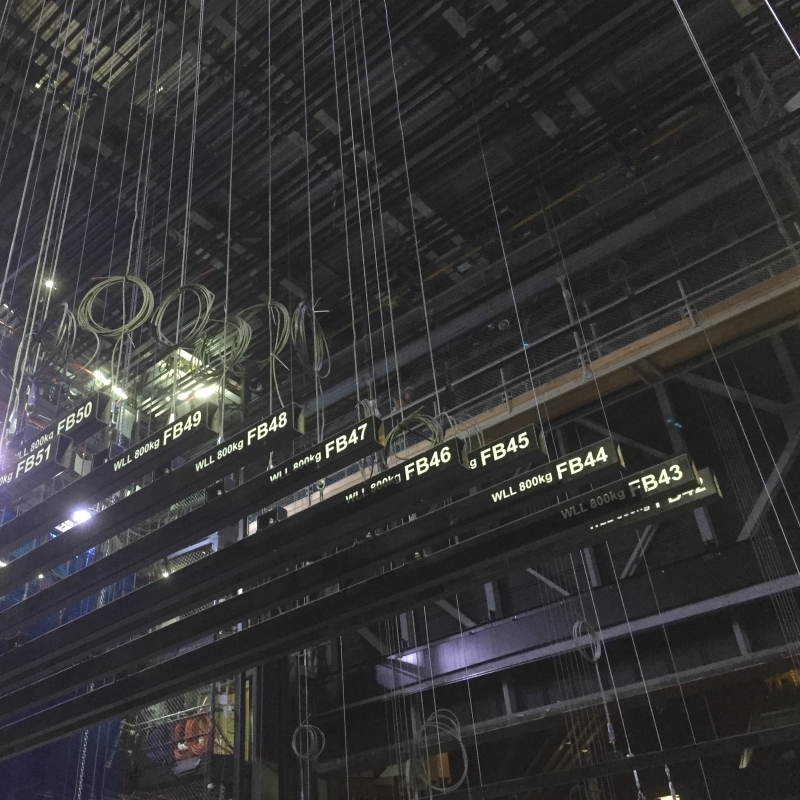
Independent verification for a performance venue upgrade
A staging equipment supplier needed independent third-party design verification for hoisting and lifting equipment on a major upgrade at a prominent Sydney theatre venue. Advitech delivered finite element and fatigue analysis against AS 1418 and AS 61508 to support design registration with SafeWork NSW.