
Services

Transport Frame Design and Certification

Move high-value equipment safely

transport structural engineering design

Structural design, assessment and certification of transport frames and load restraint systems for movement by road, rail, sea and air.

Most equipment is designed to sit on a foundation and run, not to be picked up and moved. When it has to travel, the frame carrying it is often the least engineered part of the job. Usually, it arrives fine. When it doesn’t, the damage shows up as a bent member, a cracked weld or a shaft out of alignment, and nobody can say what the load actually experienced on the road. Advitech designs transport frames, cradles and stillages for manufacturers, OEMs and asset owners who need heavy or awkward equipment moved without damaging it. Our structural engineers work from Newcastle on projects across Australia, designing the frame around the load and certifying it against the transport, handling and restraint cases it will actually meet. Where a frame was designed by someone else, we verify it independently.
How we work

1

Assess

Review design intent, operating conditions, load cases and compliance requirements to establish project-specific engineering criteria.

2

Design or verify

Undertake structural design, or independent verification against the applicable Australian Standards and project requirements.

3

Certify

Deliver clear, audit-ready calculations, reports and certification documentation suitable for fabrication, registration and site implementation.

Our transport frame and load restraint capabilities

Structural engineering for equipment that has to survive the journey, the handling at each end, and the stack in between.

Transport frame design

Structural design of frames, cradles and stillages, engineered around the specific load, the specific route and the handling each end.

  • Structural design of transport frames, cradles and stillages
  • Design against transport load cases for road, rail, sea and air movement
  • Strength and serviceability verification for the frame under its intended load
  • Handling load cases including forklift tine entry, attachment points and stacking
  • Design documentation suitable for fabrication

Client outcome: frames designed for the journey they will actually take.

frame design
load restraint

Load restraint engineering and certification

Restraint methods that can be demonstrated against the legal performance standards, rather than assumed to comply.

  • Load restraint design for specific loads and transport conditions
  • Compliance assessment against the performance standards in Schedule 7 of the Heavy Vehicle (Mass, Dimension and Loading) National Regulation
  • Application of the National Transport Commission Load Restraint Guide
  • Selection and specification of direct restraint and tie-down methods
  • Engineering certification of the restraint system

Client outcome: a restraint method you can demonstrate, not just describe.

Independent verification of fabricated frames

A separate service, for frames Advitech did not design. Used where an asset owner needs an engineering position at arm’s length from the fabricator.

  • Third party structural verification of transport frames designed by others
  • Review of the as-fabricated structure against the certified design
  • Assessment of modifications, repairs and reuse for a different load
  • Verification documentation to support release and dispatch

Client outcome: frames verified by an engineer with no stake in the fabrication.

Independent verification

Problems we help you solve

When fabrication is finished and certification was never scoped

The frame is built, the transport is booked, and the client asks for engineering sign-off that nobody costed. We assess the completed frame against its actual transport and handling load cases and issue the certification documentation needed to release it.

Checklist icon

When one frame has to be certified for more than one mode

A frame that travels by road, then by sea, then gets craned into place sees a different set of forces at every stage. We establish the governing load case across every mode and certify the frame against that, rather than against the easiest one.

When the restraint method has to be demonstrated, not just described

The Load Restraint Guide is guidance. The performance standards in Schedule 7 are the law, and the operator has to be able to show compliance. We design the restraint system and certify it against the performance standards, so the evidence exists before it is asked for.

When the fabricator designed it and the client wants it checked

Asset owners increasingly want an engineering opinion that is not the fabricator’s own. We provide independent verification of transport structures designed by others, separate from any design work, so the assurance is genuinely at arm’s length.

When a frame is being reused for something it was not designed for

Frames outlive the load they were built for and get reused, modified or repaired without a structural review. We reassess the frame against the new load case and tell you what is adequate and what is not.

Get in touch >

Featured Case Studies

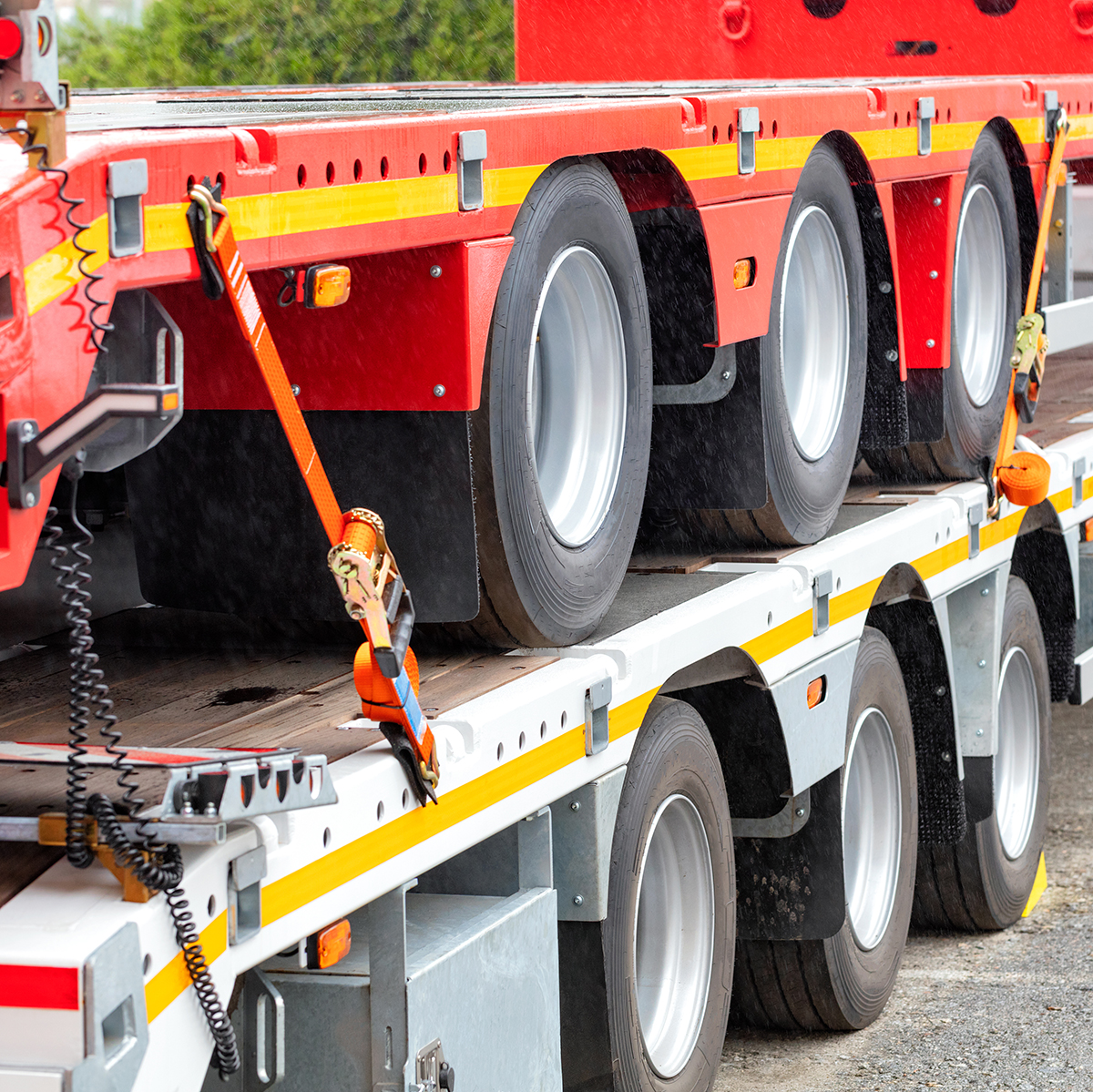
Vehicle restrained to a truck haulage bed for transport to site

Load Restraint

Vehicle and haulage restraint systems

Vehicles moved to site on truck haulage beds have to be restrained to meet the Heavy Vehicle National Law and the Load Restraint Guide. The penalties for getting it wrong are significant, and a load that shifts on the bed can damage other vehicles or injure people nearby.

OutcomeCompliant restraint guidelines the operator can apply and demonstrate on every load.

Read the full case study

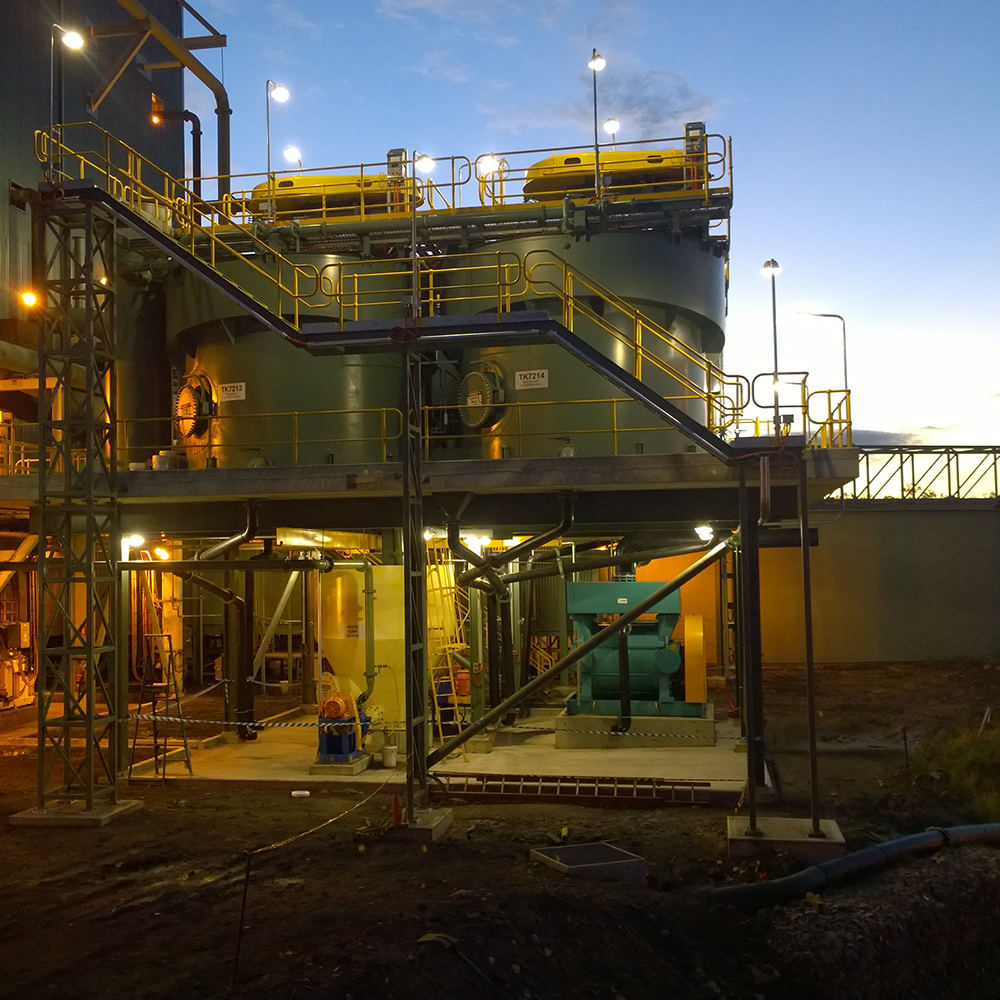
Structural steelwork inside a coal washery

Analysis and Certification

Certification of highly complex structures

A fabrication company needed engineering analysis and certification for proposed modifications to existing structural steelwork in a coal washery. The modifications had to be shown adequate before the work could proceed.

OutcomeModifications analysed and certified for a fabricator working on existing plant.

Read the full case study

Related Services

Structural and Civil Engineering

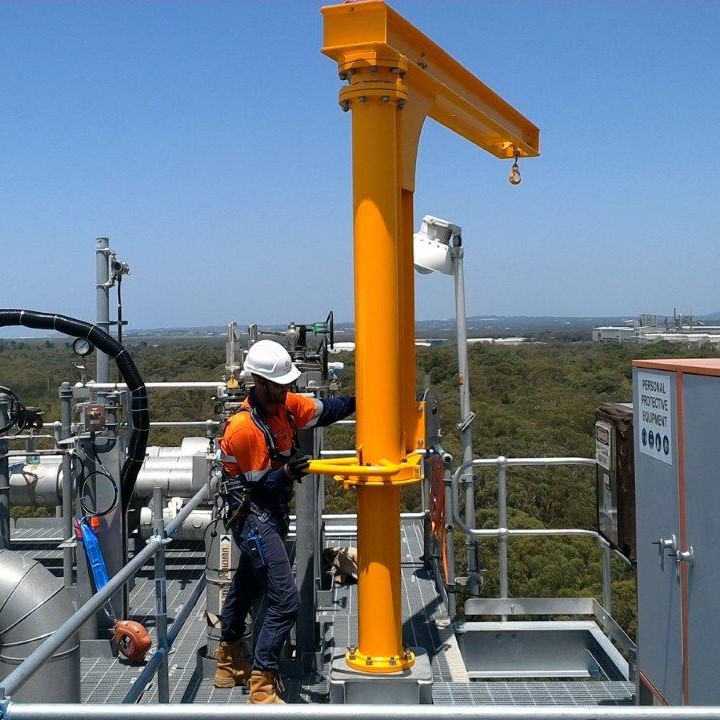
Davit crane installed on an elevated platform, with an engineer alongside it

Lifting the frame or the load on site

Lift studies and lifting methodology, lifting device design to AS 4991, crane pad and ground bearing assessment, and independent verification of lifting arrangements.

Lift Studies and Lifting Device Design

Mechanical Engineering

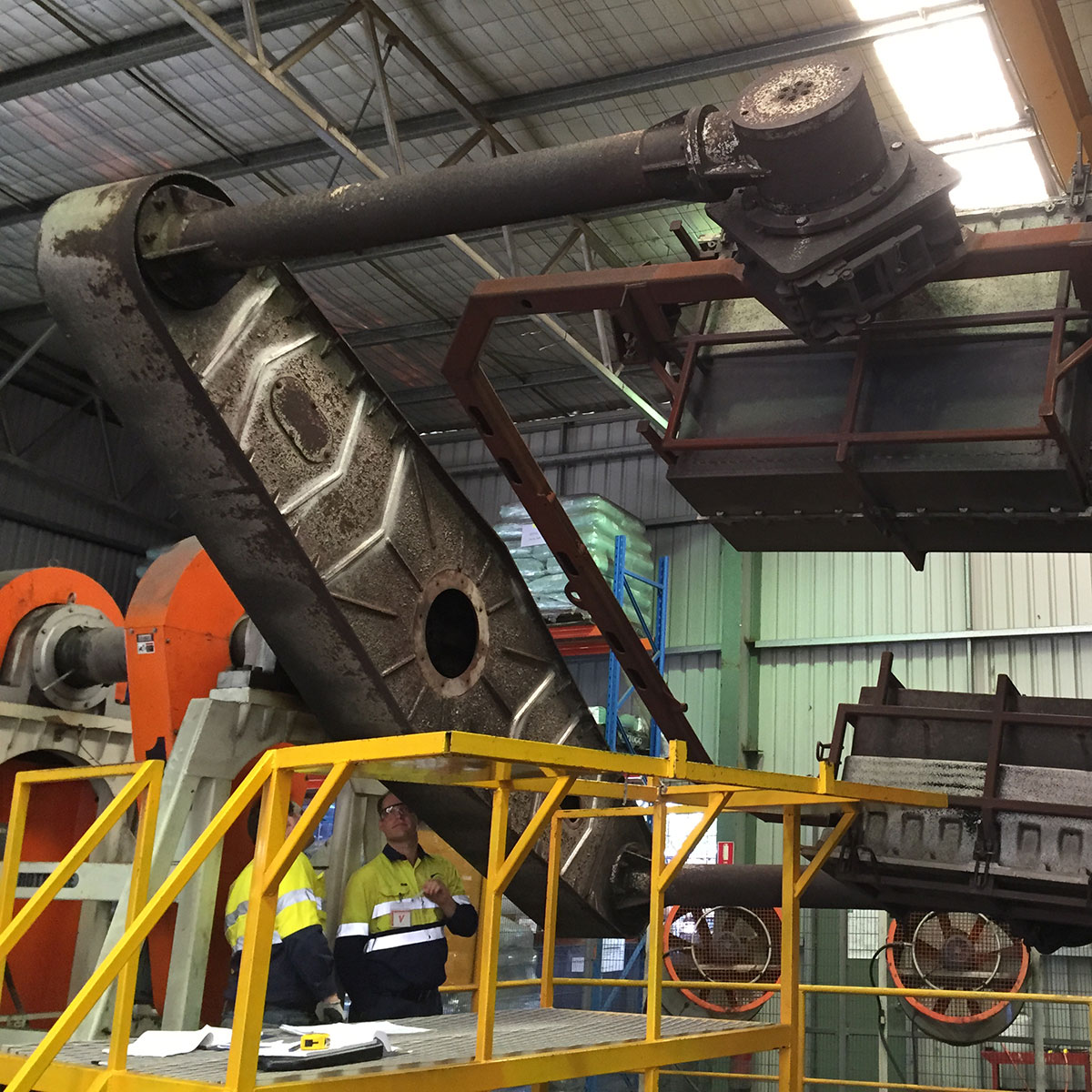
Large rotating machinery and drive assembly in an industrial workshop

The crane, hoist or winder itself

Condition assessment, major hoist inspections, independent compliance reviews and registration support for lifting appliances under AS 1418.

Specialised Hoisting and Lifting

Menu