Services

Lift Studies and Lifting Device Design

Complex lifts, engineered and certified before they happen

Lift structural engineering

Lift studies, lifting device design and independent verification of lifting arrangements

Most lifts on an industrial site are routine. Some are not. Lifting points were never designed for the way a load now has to be picked up, or the only crane position available sits over ground nobody can vouch for. At that point the question stops being how to lift it. It becomes whether it can be lifted safely at all. Advitech answers that question in engineering terms. Our structural engineers develop lift studies and lifting methodology, design purpose-built lifting devices to AS 4991, and assess the load, its attachment points and the ground the crane will stand on. Where the lifting arrangement was designed by someone else, we can provide independent verification.
How we work

1

Assess

Review design intent, operating conditions, load cases and compliance requirements to establish project-specific engineering criteria.

2

Design or verify

Undertake structural design, or independent verification against the applicable Australian Standards, client specifications and project requirements.

3

Certify

Deliver clear, audit-ready calculations, reports and certification documentation suitable for fabrication, registration and site implementation.

Our lift study and lifting device capabilities

Engineering for the load, the attachment and the ground, on lifts where a failure is not recoverable.

Lift studies and methodology

A structured engineering assessment of whether a lift can be performed safely, and if so, exactly how.

  • Lift studies for complex, critical and high-consequence lifting operations
  • Lifting methodology and sequencing development
  • Assessment of crane loadings imposed on structures, foundations and ground
  • Crane pad requirements and ground bearing pressure assessment
  • Temporary works and temporary load case assessment
  • Engineering support during execution of critical lifts

Client outcome: the lift proven on paper before it is attempted on site.

Lift studies
Lift device design

Lifting device design to AS 4991

Purpose-built below-the-hook equipment, designed for the load in front of you rather than adapted from something that was close enough.

  • Design of lifting frames, lifting beams and spreader beams to AS 4991
  • Design of purpose-built lifting devices for non-standard and awkward loads
  • Lifting lug and padeye design and assessment
  • Assessment of the item being lifted, including lift point adequacy
  • Calculations, drawings and certification documentation to support fabrication

Client outcome: below-the-hook equipment designed, documented and certified.

Independent verification of lifting arrangements

Third-party design verification of lifting devices designed by others

  • Verification by engineering analysis under Section 12 of AS 4991
  • Review of proposed lifting arrangements before execution
  • Structural assessment of the load and its attachment points
  • Verification documentation for asset owner and regulator records

Client outcome: an independent engineering position on a lift.

Independent verification

The lifts that need an engineer

When the lift is critical and the method has to be defensible

A high-consequence lift has to withstand scrutiny before it happens, not after. We develop and document the lift methodology, assess crane loadings and sequencing, and set out the engineering basis the lift proceeds on.

When the load has nowhere safe to attach

Equipment is often designed to operate, not to be picked up, and the obvious attachment points are the wrong ones. We assess lift point adequacy and design lugs, padeyes or a purpose-built device to AS 4991 that suits the load.

Checklist icon

When the ground under the crane is the unknown

Crane capacity charts assume the ground holds. On brownfield sites with buried services and unproven fill, that is an assumption rather than a fact. We assess ground bearing pressure and crane pad requirements before the crane is positioned.

When a supplier designed the lifting device and you want it checked

Asset owners frequently need an engineering opinion that is not the supplier’s own. We provide third party design verification by engineering analysis under AS 4991, independent of any design work.

When the item being lifted was never designed to be lifted

Vessels, skids and fabricated assemblies get moved in ways their original designer never considered. We assess the structure under the temporary load cases the lift imposes, and identify what needs strengthening before it moves.

Get in touch >

Featured Case Studies

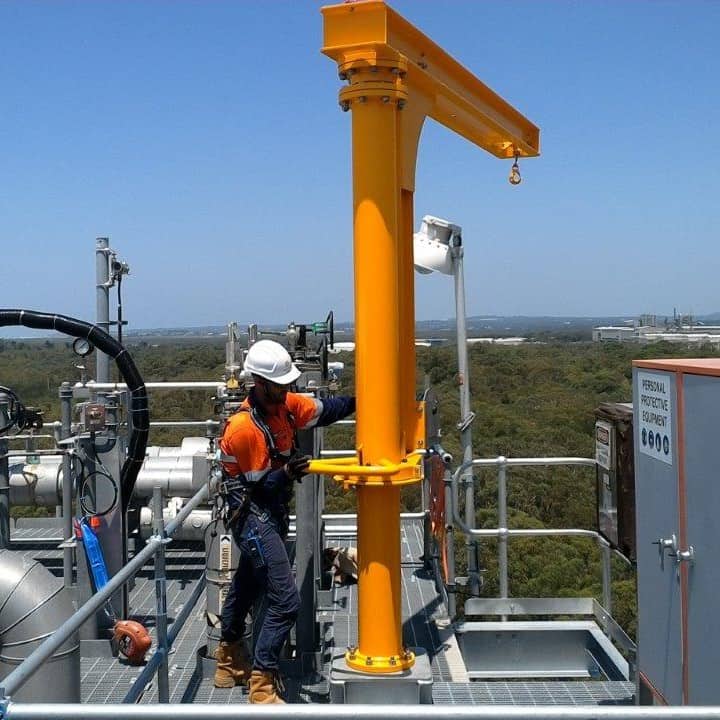
Davit crane installed on an elevated platform atop a gas storage tank

Design and Certification

Custom davit cranes for a 40 metre storage tank

An energy company needed lifting capability on top of a 40 metre gas storage tank, for maintenance and for recovering an injured worker. Nothing standard would fit. The platforms were never designed to carry those loads, and the hazardous area rating limited what could be installed.

OutcomeTwo davit cranes engineered and certified to AS 1418 for a defined working load limit, with the supporting platforms assessed and modified to AS 1657 and AS 4100.

Read the full case study

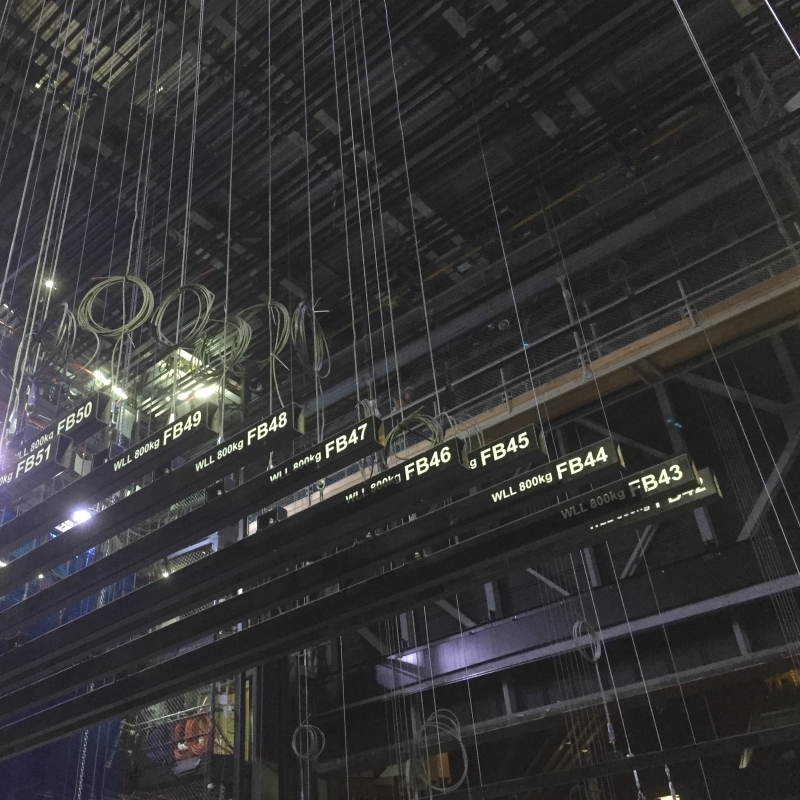
Hoisted scenery lines above the stage of an opera and theatre venue

Independent Verification

Verifying hoisting equipment designed by someone else

A staging equipment supplier delivering hoisting and lifting systems for a $70m upgrade at a prominent Sydney opera and theatre venue needed independent third party design verification. Some equipment had been designed to overseas codes, and some had to be certified for person riding.

OutcomeIndependent finite element and fatigue analysis against AS 1418 and AS 61508, with support for Design Registration to SafeWork NSW under the duties of a design verifier.

Read the full case study

Related Services

Structural and Civil Engineering

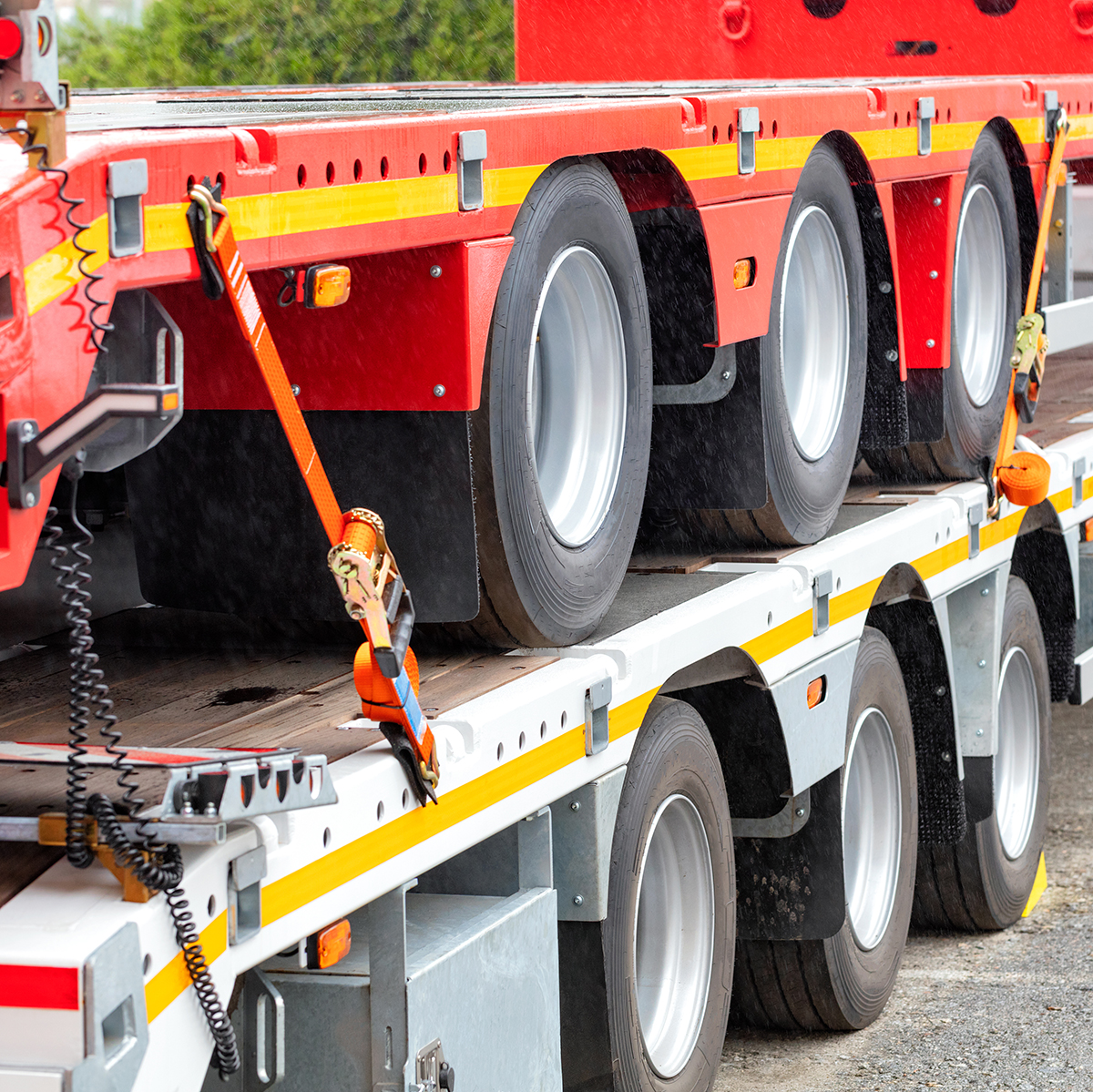
Equipment restrained to a truck haulage bed for transport to site

Getting the load to site

Structural design, assessment and certification of transport frames and load restraint systems for movement by road, rail, sea and air, including independent verification of frames designed by others.

Transport Frame Design and Certification

Mechanical Engineering

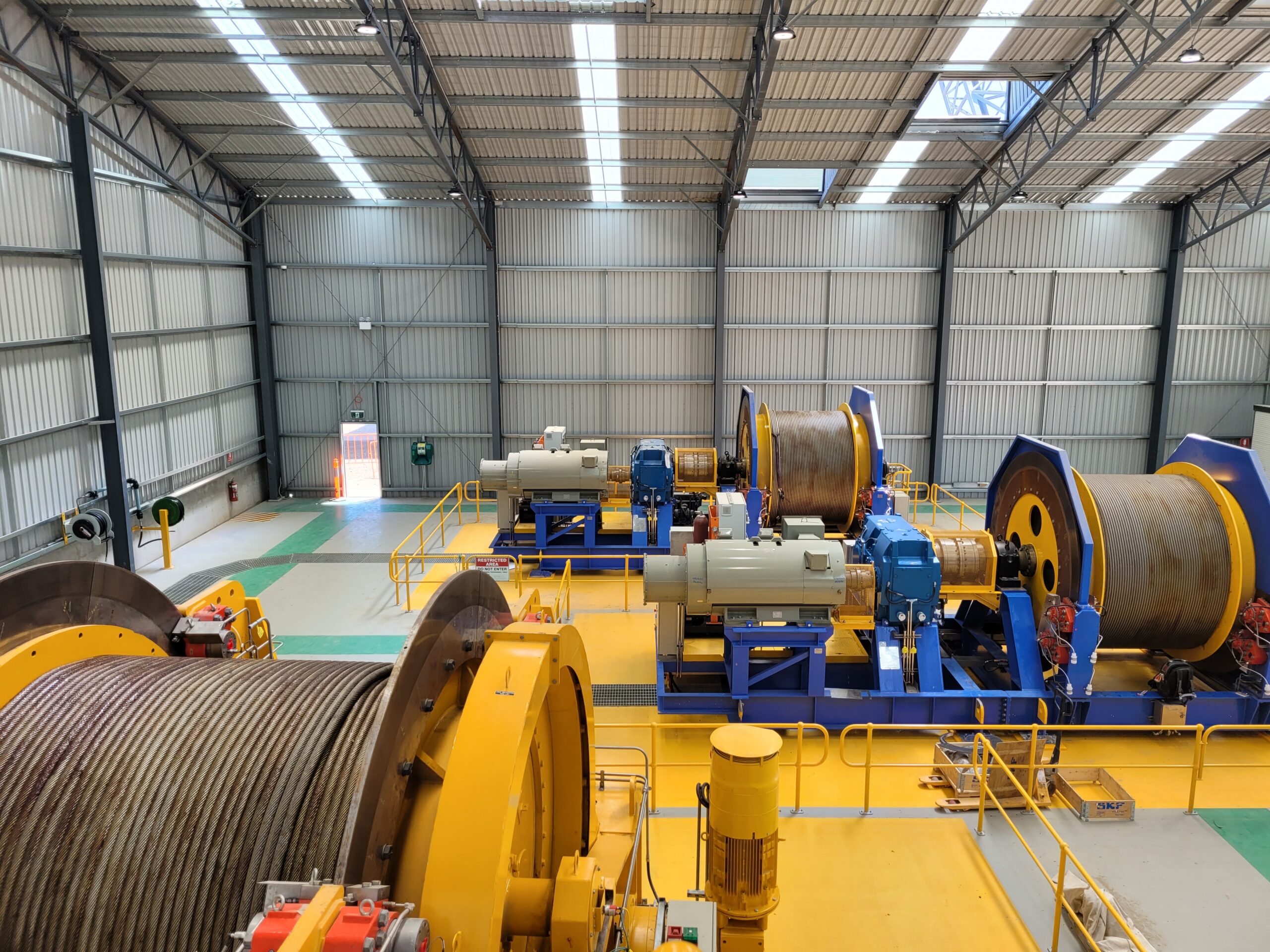
Lifting appliances already in service

Condition assessment, major hoist inspections, independent compliance reviews and registration support for cranes, hoists and winders under AS 1418.

Specialised Hoisting and Lifting

Menu